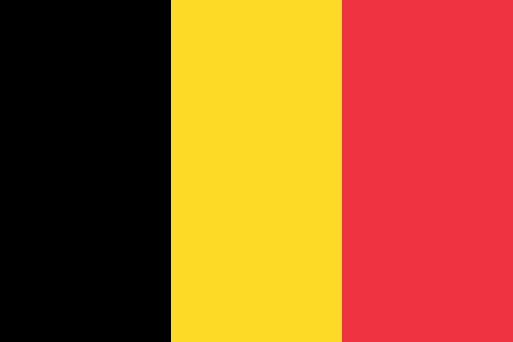
Inside Belgium, numbers are dialled with a leading 0; leave it out after +32.
Didn't get the code?
Free numbers are shared, so a code can fail to arrive for reasons nobody here controls:
Someone else may already have used the number to sign up to the same service, so it refuses the number.
Many apps can block VoIP numbers and numbers that many people have used, and every public number here is used by many people.
Some services only send codes to certain countries.
VoIP and non-VoIP numbers
A VoIP number runs over the internet. It is cheap and quick to issue, and many apps reject it for verification. A non-VoIP number belongs to a mobile carrier and is tied to a SIM card. Apps accept it more often, but none of them promise to.
A private number is used by you alone, so nobody else can read your codes or reuse the number.
You'll continue on app.privasto.com to choose a number and pay. The app shows whether a number is a virtual (VoIP) line before you buy.
Frequently asked questions
Is the Belgium temp number free?
Yes. Every Belgium number on this page is public and free, with no sign-up. Anyone can read the messages it receives.
What does a Belgium mobile number look like?
It starts with +32, followed by 9 digits that begin with 4, for example +32 4XX XX XX XX.
Why didn't my code arrive on a Belgium number?
The service may refuse shared numbers, may have seen the number before, or may not send codes to Belgium. Try a newer number and press Refresh after 30 to 60 seconds. A private Belgium number starts from $0.29.
Can I keep a Belgium number?
Not a free one: public numbers come and go. A private Belgium number from $0.29 on app.privasto.com stays yours for the period you buy.
Is it safe to use a public Belgium number?
For a one-off sign-up, yes. For banking or an account you want to keep, no: anyone can read the codes sent to it, including recovery codes.
 Free Belgium temp number for SMS verification